DR. PREMILA NAIDU
Founder & Director, SmallBites/ Dr. ToothLittle, PnG Healthcare | Pioneering Paediatric Dentist & Paediatric Health Advocate | Speaker & Healthcare Innovator| Biker| golfer|Fitness enthusiast
For generations of Indian children, dentistry has been defined by fear; clinical spaces designed for adults, procedures prioritised over emotions and an unspoken expectation that children must, simply endure. Dr. Premila Naidu has spent more than a decade dismantling that idea, one child, one clinic and one system at a time.
Paediatric dentistry was not a path she deliberately chose. It revealed itself to her during her postgraduate training, when she began to notice something deeply flawed in the way children were treated within India’s healthcare ecosystem. After completing her post-graduation in 2009 and working in corporate clinics, the gap became undeniable: children were receiving scaled-down adult care, devoid of emotional intelligence, behavioural understanding or sensory awareness.
In 2012, Premila walked away from the predictable safety of corporate practice and launched Small Bites, among the earliest dedicated paediatric dental clinics in Bengaluru. At the time, the concept of specialised paediatric oral healthcare barely existed in public consciousness. Parents questioned the need. Referrals were rare. In her early months, she saw barely one or two patients a week, often children who accompanied parents visiting her spouse, also a dentist. But Premila stayed the course, driven by a conviction that paediatric healthcare had to be fundamentally reimagined.
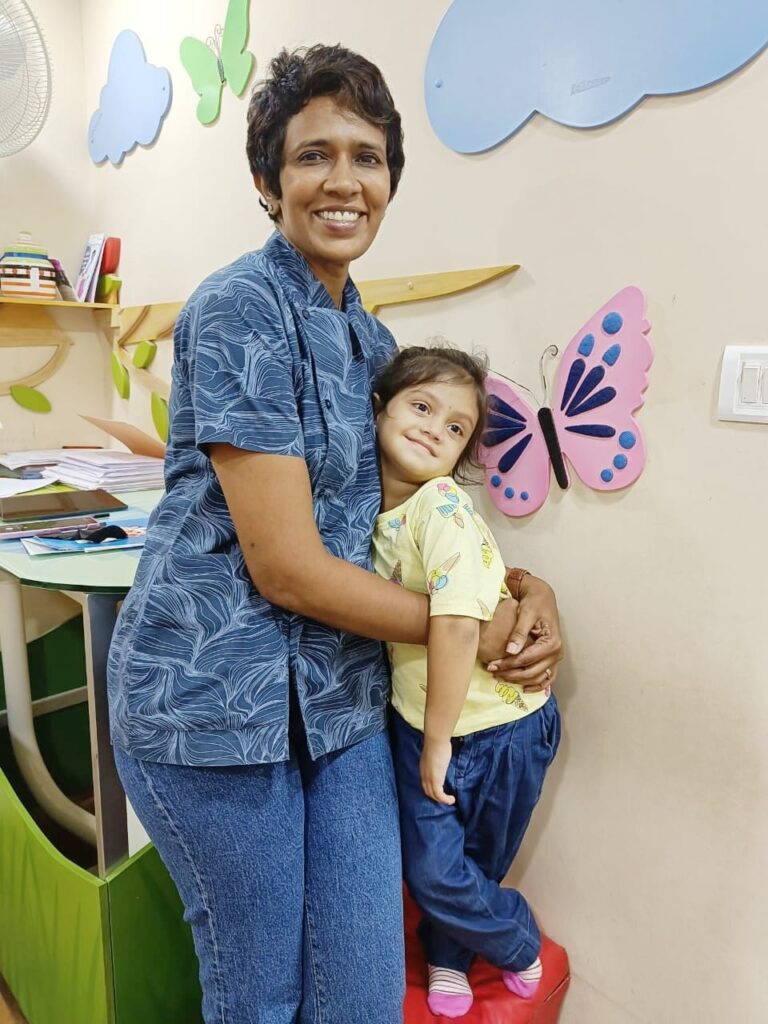
Instead of waiting for the market to catch up, she built it. She stepped out of the clinic and into schools, community halls and parent forums, speaking about preventive oral health and the long-term consequences of neglecting early care. Slowly, a shift began. Parents started to realise that dentistry for children was not about bright colours or playful décor—it was about safety, trust and emotional regulation.
That philosophy evolved into something far more ambitious. Premila went on to build India’s first sensory paediatric dental clinic chain, pioneering a model where the child comes first, not the procedure. Every clinic under her venture, PNG Healthcare, is designed as a multi-sensory environment where sound, lighting, spatial flow and human interaction are calibrated to reduce anxiety and build confidence. Her teams are paediatric-only, trained extensively in behaviour guidance and child psychology, ensuring that care is consistent, specialised and deeply empathetic.
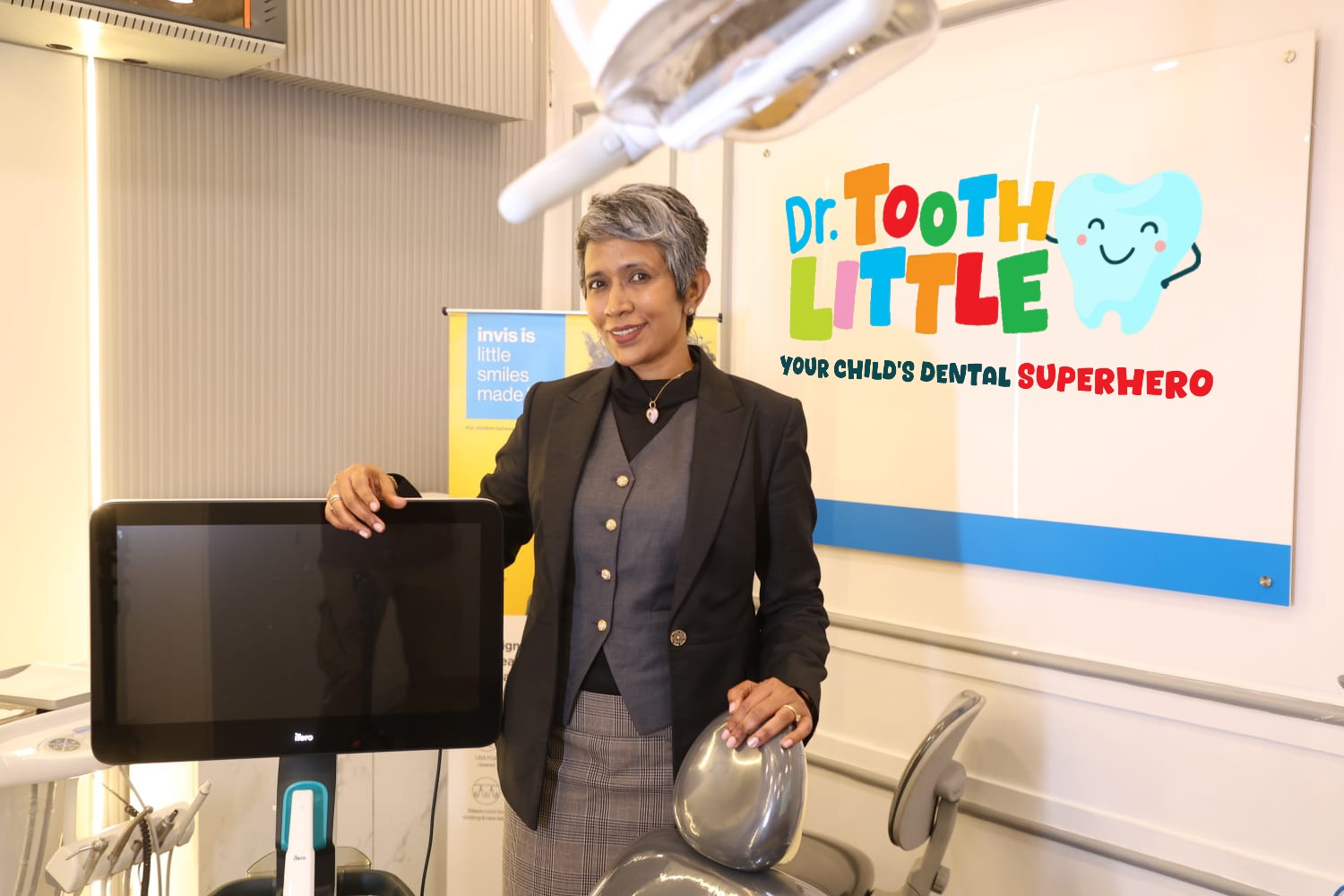
Today, through her brands Small Bites and Dr ToothLittle, Premila operates five specialised and exclusive paediatric dental clinics across Bengaluru, that are technologically advanced and emotionally intelligent, making dentistry a stress- free experience. Advanced technologies such as laughing gas sedation, computer-assisted local anaesthesia, minimally invasive paediatric instruments and aligners in place of metal braces are seamlessly integrated, not as novelties, but as tools that make dentistry gentler and safer for growing children. Dr Premilahas treated over 45,000 children.
Yet one moment redefined her work from innovation to inclusion. She once watched a mother physically carry her 11-year-old neuro-divergent child up a flight of stairs to reach the clinic. The image stayed with her. It forced her to confront an uncomfortable truth: even progressive healthcare spaces often fail children with additional needs.
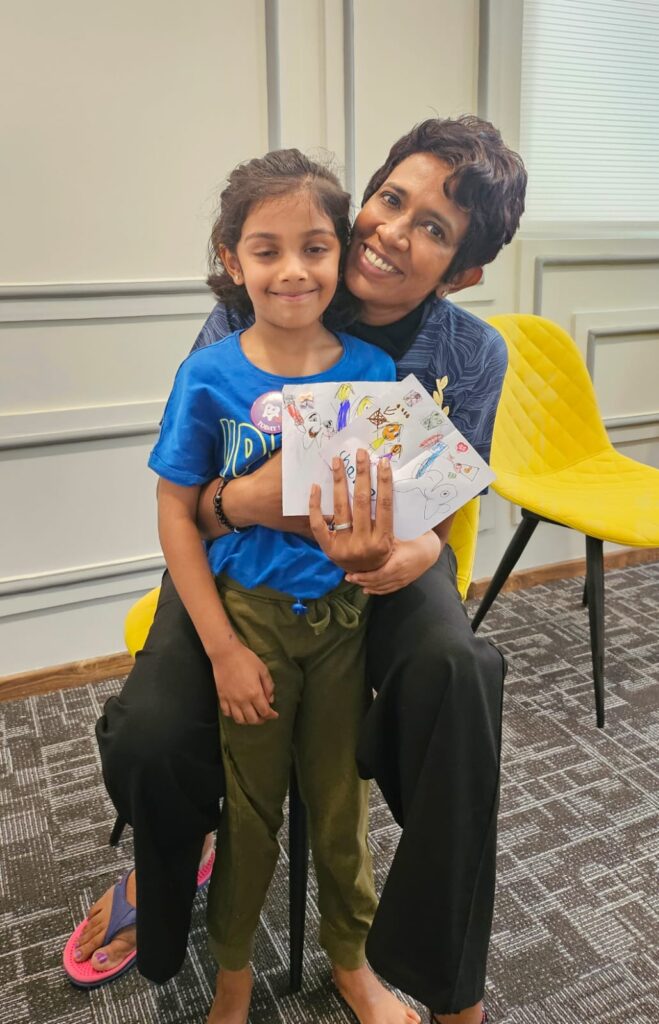
That moment became a turning point. Premila redesigned her clinics to be inclusive for neurodiverse children and accessible for children with mobility challenges, embedding sensory-sensitive lighting, controlled acoustics and barrier-free access into every location. Just as importantly, she ensured that every member of her team, from front desk to clinician, was trained to understand sensory processing differences and behavioural cues. Inclusion, for Premila, is not a feature; it is a responsibility.
As demand grew, Premila faced another difficult realisation—that she herself had become the bottleneck. Letting go of hands-on clinical practice was one of the hardest decisions of her entrepreneurial journey. Without a management degree or formal business pedigree, she learned to build systems, empower teams and lead an organisation rather than a chair. In doing so, she transformed from clinician to category-defining healthcare entrepreneur.
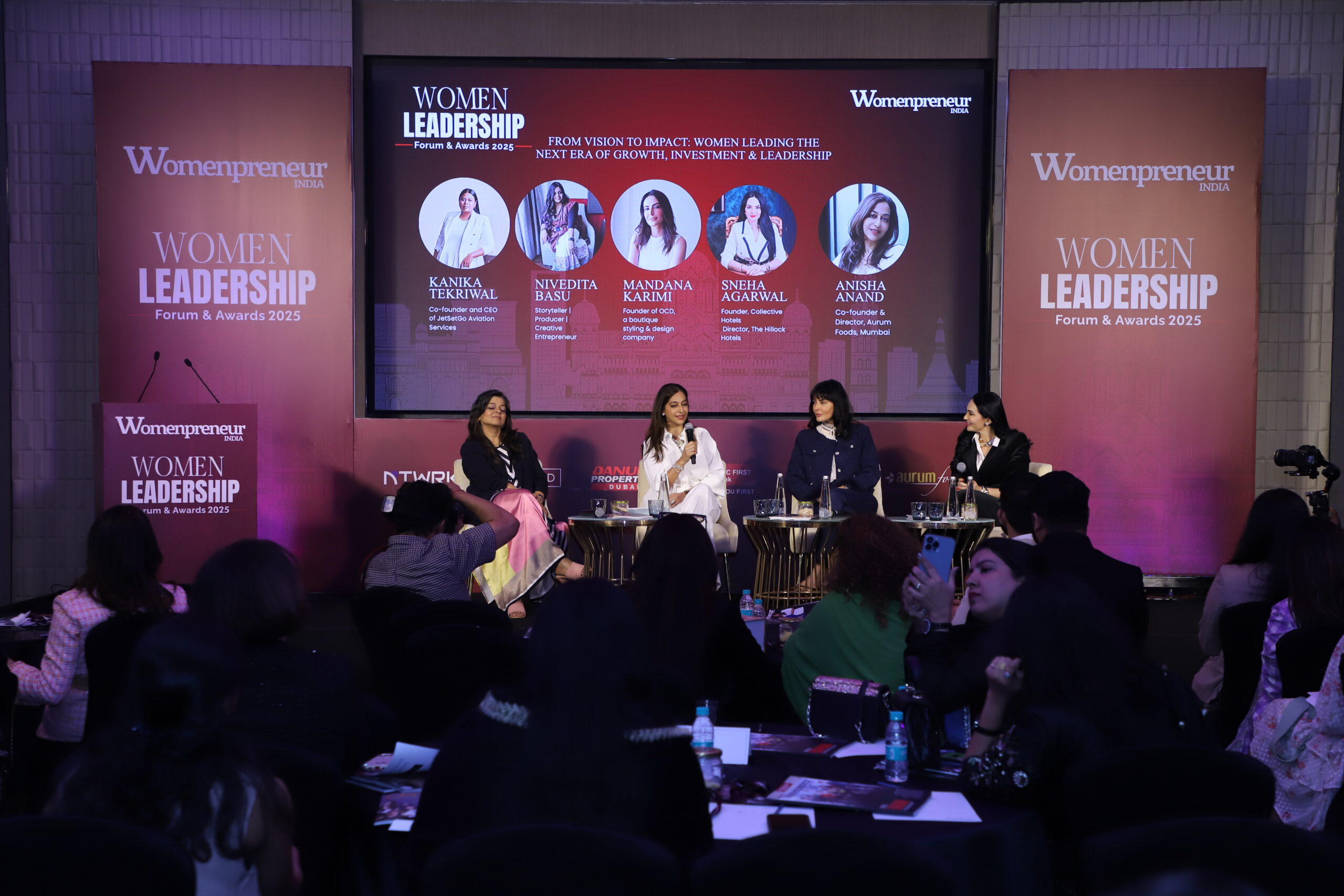
Beyond her clinics, Premila’s impact extends into the community. Through her School Dental Health Programme, she reaches nearly 1,000 children every month, conducting free check-ups, delivering personalised oral health education and training teachers to reinforce preventive habits. She also trains paediatric dentists across the country, advocating for a shift in how child healthcare is taught, designed and delivered. At national conferences, her message is consistent: ‘paediatric healthcare must move beyond aesthetics and invest in evidence-based, emotionally intelligent systems.’
At the heart of her work lies a deceptively simple belief—children remember how you make them feel. Her greatest validation does not come from expansion metrics, but from children who return without fear, linger after appointments or leave behind handwritten notes and drawings.
Outside the clinic, Premila defies stereotypes with the same quiet ease as she does at work and business. When she is not leading India’s first sensory paediatric dental chain, she is biking, surfing, golfing or weight training—bringing the same resilience and optimism to life that defines her work. One day, she hopes to retire by the sea. “Sand,” she says, “is the most sensory thing.”
In a country where paediatric healthcare is often treated as an afterthought, Dr. Premila Naidu is building a future where children are seen, understood and cared for on their own terms. In doing so, she is not just transforming dentistry, she is changing the face of paediatric healthcare in India.